

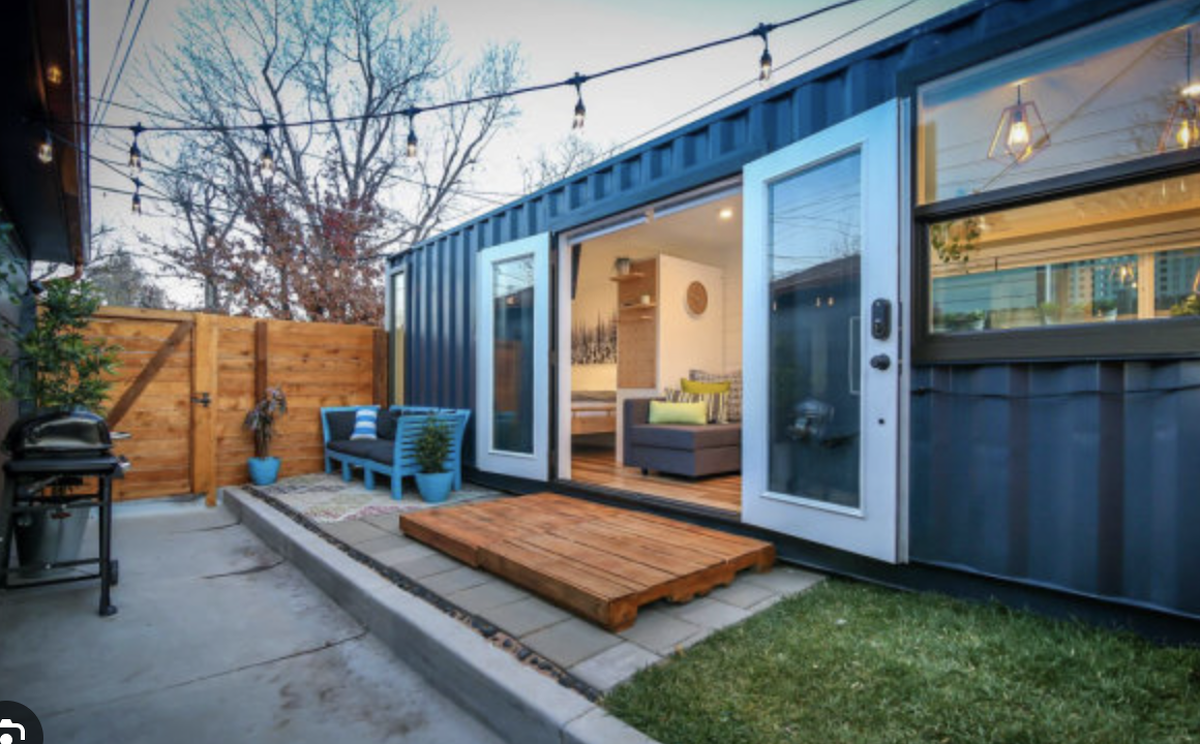
In the matured real estate landscape of Denver, short-term rentals (STRs) have evolved from a speculative "gold rush" into a sophisticated, highly calculated income stream. While I do not manage client short-term rentals directly, I continue to advocate for the "Swiss Army Knife" approach to real estate: building a diversified portfolio that maximizes every square foot of your asset.
For Denver homeowners in 2026, the strategy has shifted. It is no longer just about listing a spare room; it is about leveraging asset optimization. According to recent 2025 AirDNA and market data, the Denver metro area maintains a robust STR ecosystem. While the explosive occupancy rates of the early 2020s have stabilized, the market has professionalized. The average daily rate (ADR) has climbed to approximately $215, driven by inflation and demand for high-quality, experience-driven stays.
This translates into average monthly gross earnings hovering between $3,800 and $4,200 for well-managed properties. Occupancy rates have normalized to a healthy 68–72%, reflecting a stabilized supply-and-demand curve. Colorado remains a top destination, but the revenue has shifted significantly toward "super-hosts" who treat hospitality with the precision of a software deployment—seamless, automated, and high-quality.
The Evolution of the Guest: "Bleisure" is the Standard
The "digital nomad" era has graduated into the permanent "flexible living" era. The COVID-19 pandemic is long behind us, but it left a permanent mark on travel behavior. Guests in 2026 are rarely just vacationing; they are engaging in "bleisure" (business + leisure). They demand gigabit internet, ergonomic workspaces, and smart-home integration. Platforms like Airbnb and VRBO have adapted, and hosts who fail to provide these "UX" amenities are seeing their occupancy drop.
Navigating the Regulatory Fortress
As we entered the mid-2020s, the regulatory "gray area" completely vanished. Denver’s primary residence requirement—now a decade-old standard—is strictly enforced through automated scraping tools used by the city.
In 2026, compliance is not optional; it is the barrier to entry. License fees have adjusted for inflation, and neighborhood caps are strictly monitored. However, this high barrier to entry protects legal hosts by reducing illegal competition, effectively stabilizing rates for those who play by the rules.
The Numbers: 2026 ROI Breakdown
Despite higher operational costs, the revenue spread between rental strategies remains distinct. Here is the updated financial landscape for a standard 2-bedroom Denver property:
-
Long-Term Rentals (Unfurnished):
-
Monthly Rent: $2,200 – $2,500
-
Annual Net Income: ~$26,000 – $30,000
-
Verdict: Stability, low effort.
-
-
Mid-Term Rentals (30+ Days / Corporate / Nurse):
-
Monthly Rent: $2,800 – $3,400
-
Annual Net Income: ~$33,000 – $40,000
-
Verdict: The "Sweet Spot" for lower regulation and higher yield.
-
-
Short-Term Rentals (Airbnb/VRBO):
-
Monthly Revenue: $4,000+
-
Annual Net Income: ~$45,000+ (highly dependent on self-management vs. hiring a manager)
-
Verdict: Maximum yield, maximum effort.
-
Pros and Cons: The Operational Reality
The pros remain attractive: upfront payments, dynamic pricing algorithms that capture peak demand, and less wear-and-tear due to frequent professional cleaning.
However, the cons in 2026 are heavily operational. Guest expectations are at an all-time high—a 4-star review is now considered a failure. Managing turnover, automating smart locks, maintaining high SEO rankings on platforms, and navigating dynamic occupancy taxes requires a business mindset.
The ADU Revolution (Post-HB24-1152)
The most significant shift for 2026 is the explosion of Accessory Dwelling Units (ADUs). Following the state-wide legislative pushes in 2024 and 2025 that forced municipalities to relax zoning laws, building an ADU is easier than ever.
Homeowners are no longer just converting basements; they are utilizing pre-fab modular units and garage conversions specifically designed for the rental market. Because ADUs on your primary property often circumvent the "investor" restriction (since you live in the main house), they have become the highest-ROI renovation project available in the Denver metro area.
Conclusion
In 2026, Short-Term Rentals are Here to Stay, but they are no longer "easy money." They are a serious business component of a modern real estate portfolio. For the homeowner willing to navigate the regulations and invest in the guest experience, the financial rewards far outpace traditional leasing. Whether through a high-tech basement conversion or a newly zoned ADU, the opportunity to maximize your property's yield is yours for the taking.